

(Catherine Austen’s DIY Writing Workshop #1)
Here’s a “Build your Character” handout and a mini-lesson that you can adapt into your own writing workshop to do alone or with your class or writing group.
Who cares about character?
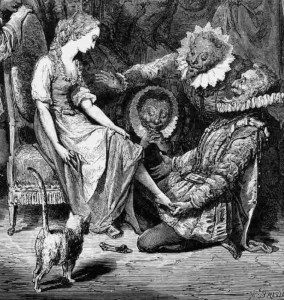
Cinderella is lovely, hard-working, and good-natured. We would feel differently about her story if she was a lazy brat who connived her way to the ball and moved into the castle — “See ya later, suckers!” — leaving her sweet kind sisters in poverty. It would not be the same story.
If Harry Potter was a bully? Different story. He’d join the Slytherins and they’d take over the world.
A plot progresses the way it does because of its characters: who they are, what they want, how they act and interact on their way to meet their goals. And a story means what it does because of character. “Cinderella” isn’t just about a poor girl who gets to go to a ball; it’s about a mistreated person who gets the life she deserves.
So yes, readers care about characters.
Build your character
In creating a character, you can simply start writing a scene — try one where they’re solving a problem or facing a conflict — or you can build them, bit by bit.
Use this handy handout to help build your character.

Start with a real person — maybe yourself or someone your know, someone in the news or in a history book. Or invent a character unlike anyone seen before — a sinister alien, a kind-hearted demon, a genius caveman. In a pinch, take an existing fictional character and change something about them, e.g., Cinderella’s godmother as a wicked witch.
Ingredients of Character
In building a fictional character, start with four basic sets of questions:
1. The physical stuff
- What species are they? (Always a good starting point.)
- Gender? Age? Size and shape?
- What do they they look like? (Crooked teeth? Expensive clothes? Long black hair? All over their body??)
- What do they look like in comparison to everyone around them? (Unique? A visible minority? One of a thousand clones?)
- Do they have any disabilities? Exceptional abilities? Superpowers?
- What makes them memorable, physically?
2. The personality
- How does your character behave with other people? (A leader? A loner? An outcast? An eavesdropper?)
- Are they an animal lover? An athlete? An arachnophobe?
- Are they helpful around the house? Selfish or thoughtful? Lazy or energetic? A protective brother or a bully?
- Are they smart? Funny? Trying their best? A total jerk?
- What traits or hobbies do they have that suggest a deeper character? (Bakes cookies for neighbours? Never gets off his phone? Raises pythons? Designs her own clothes?)
3. The facts of life
- Does your character go to school? What grade? Are they passing? Excelling? What’s their favourite subject?
- Does you character work? At what? Do they walk to work? Or bike? Do they like the people they work with?
- Do they live on Earth? In the present day? Where exactly? On a farm? A highrise? A prison? A toxic landfill?
- Does your character live alone? With family? Brothers and sisters? Pets? Do they have their own room? What’s their favourite thing in it?
4. The inner life
- Does your character believe in god? In ghosts? In karma?
- Do they believe that life is fair? That the strong should help the weak? That we make our own fate?
- What would your character call a good life? Acquiring money? Having friends? Experiencing adventure? Making history?
- What makes your character happy? Sad? What memory do they cherish? What fantasy do they hold dear?
- What are they afraid of? And most importantly: what do they want?
About what they want…
Plot is what gets in your character’s way on the path to what they want. So make sure they want something and take steps to get it.
Consider two levels to what a character wants: the immediate specific goal; and the deeper need it fulfills. Cinderella wants to go to the ball. But what she really wants is a break from drudgery. Even readers who hate to dance can relate to that.
So maybe your character wants to win a singing contest — but what she really wants is to feel respected. Or your character wants to solve a crime — but what he really wants is to believe there’s justice in the world. Or your character wants to survive the night — well, maybe you don’t need a deeper need than that. 🙂
Make your character active in pursuing what they want. Even sweet, quiet Cinderella has the gumption to sneak out to the ball.
Remember Setting
If your character lives in a world completely different from yours, consider giving them different values or beliefs or habits. Or have them struggle against the beliefs of their time. Setting always affects character.
You can Start with a Setting and then come back to character. Or go from here to there and back again.
Ready?
Forcing yourself to come up with character details often gives you ideas for where your story might go. Just answer all the questions and fill in all the blanks. You’ll amaze yourself with your creativity.
You don’t have to know everything — you’ll only truly discover your characters as you write your story — but after this exercise, you’ll know enough about your character to let the reader meet them in an opening scene. (More on that in another workshop.)
 Catherine Austen